Have you ever been in the middle of writing, had to check an item on the internet for accuracy, and then found yourself wandering happily down a labyrinth of interesting facts?
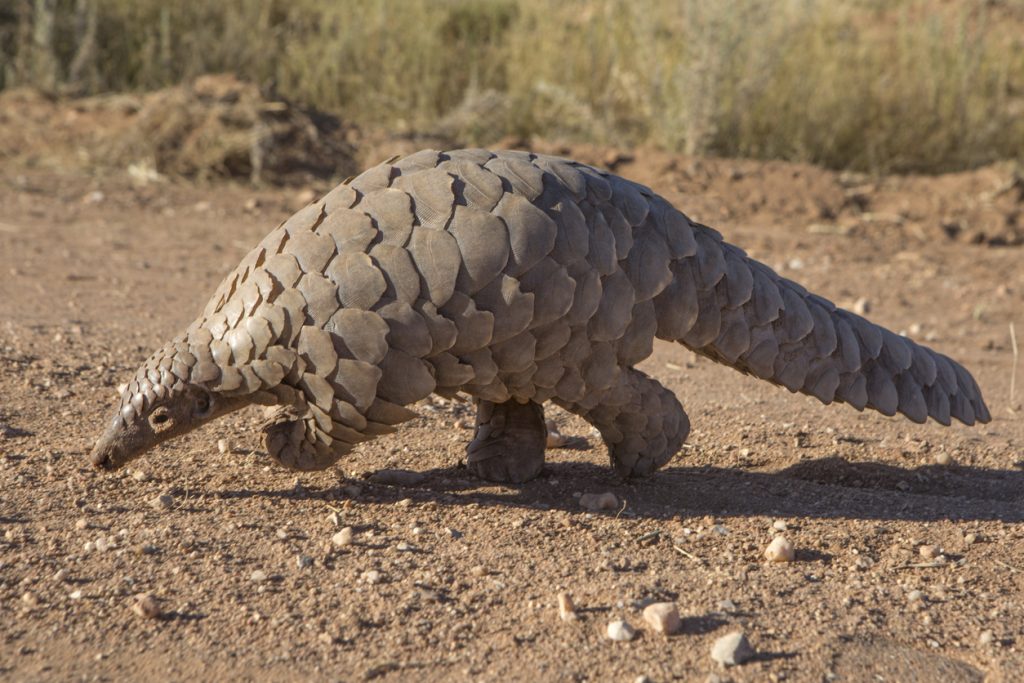
I needed to find out what a pangolin eats for inclusion in a story I was writing. I always check at least three reputable sources when I’m looking for information as anyone can create a web page and put misinformation on it.
On Save Pangolins I discovered pangolins eat ants and termites, supplemented by larvae, worms, flies and crickets. By double-checking this information on The National Geographic and World Animal Protection and Save Vietnam’s Wildlife I was able to confirm the information was supported by credible sources.
It should have taken me ten minutes. One hour later I was still jumping from one site to the other, reading about animal rescue and eventually ended up adopting a pangolin called Polly from Save Vietnam’s Wildlife.
In the wild pangolins are quite invincible. They roll up into scale-covered balls to protect themselves from predators who bat them away in confusion. Although they look like a reptile, they are a mammal. Their babies ride around on their mother’s tails and they sometimes walk on their back legs.
Humans are their biggest threat. Pangolins are one of the most trafficked animals. Traditional medicine shops charge $600 for a kilo of their scales and restaurants charge $350 a kilo for their meat. Their blood is also used in traditional medicine.
Sometimes the research labyrinth mobilises us to take action, if not at least we become more aware.
Photograph by 2630ben purchased from iStock
Leave a Reply